Mandalay Region
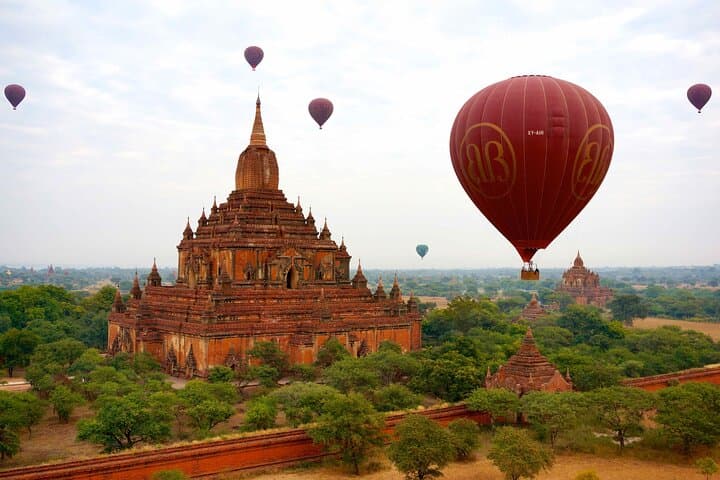
templesBagan
ပုဂံ
An ancient city with over 2,000 Buddhist temples, pagodas, and monasteries scattered across a vast plain. Once the capital of the Pagan Kingdom (9th–13th centuries), Bagan is one of Asia's most breathtaking archaeological wonders. The sight of thousands of spires rising from the misty plains at sunrise is unforgettable.
Kayin (Karen) State
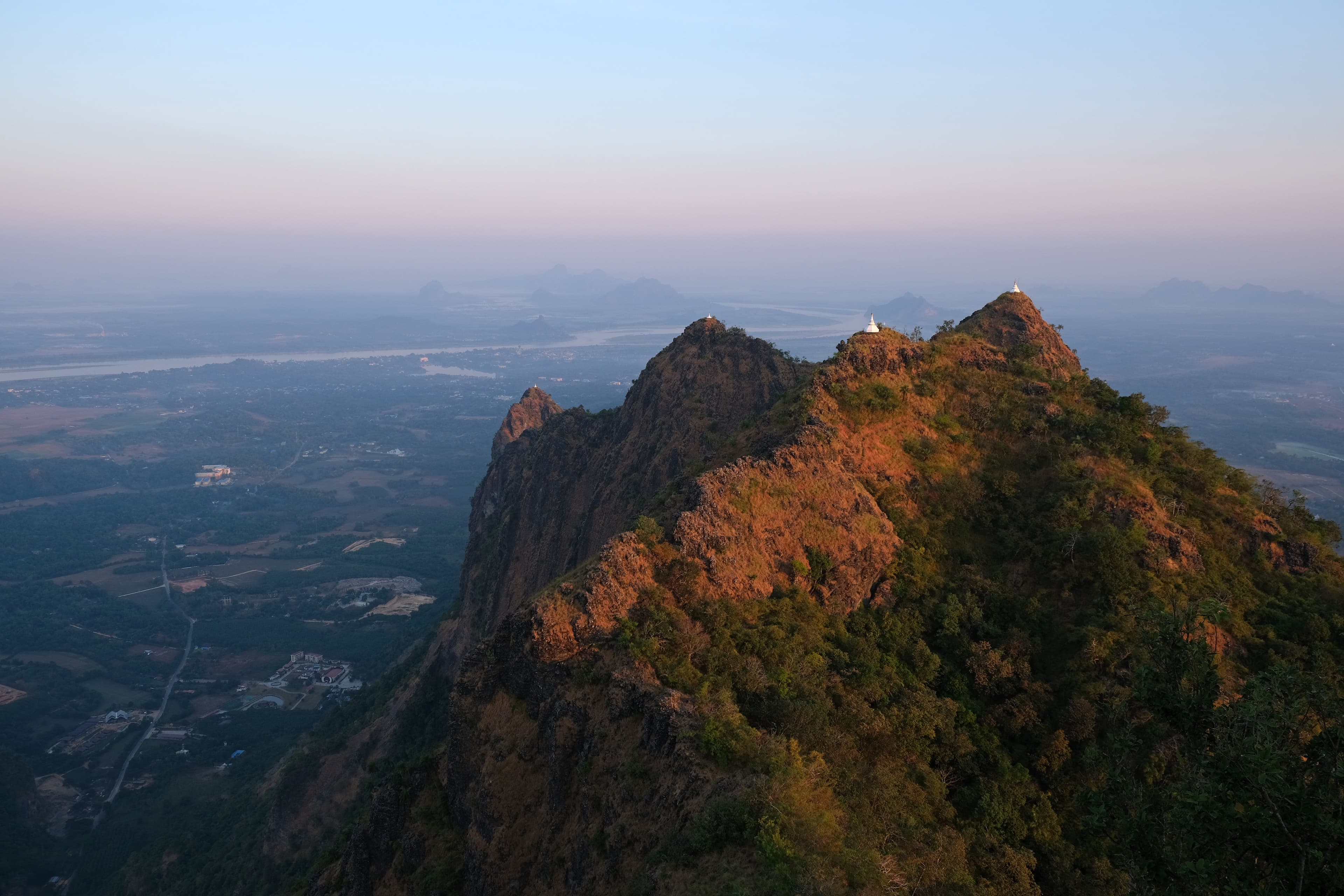
natureHpa-An
ဘားအံ
One of Myanmar's most underrated destinations, Hpa-An sits among dramatic karst limestone mountains along the Thanlwin River. The area is packed with awe-inspiring caves filled with Buddha statues, rice paddies in the shadow of sheer cliffs, and the most photogenic countryside in the country.
Shan State
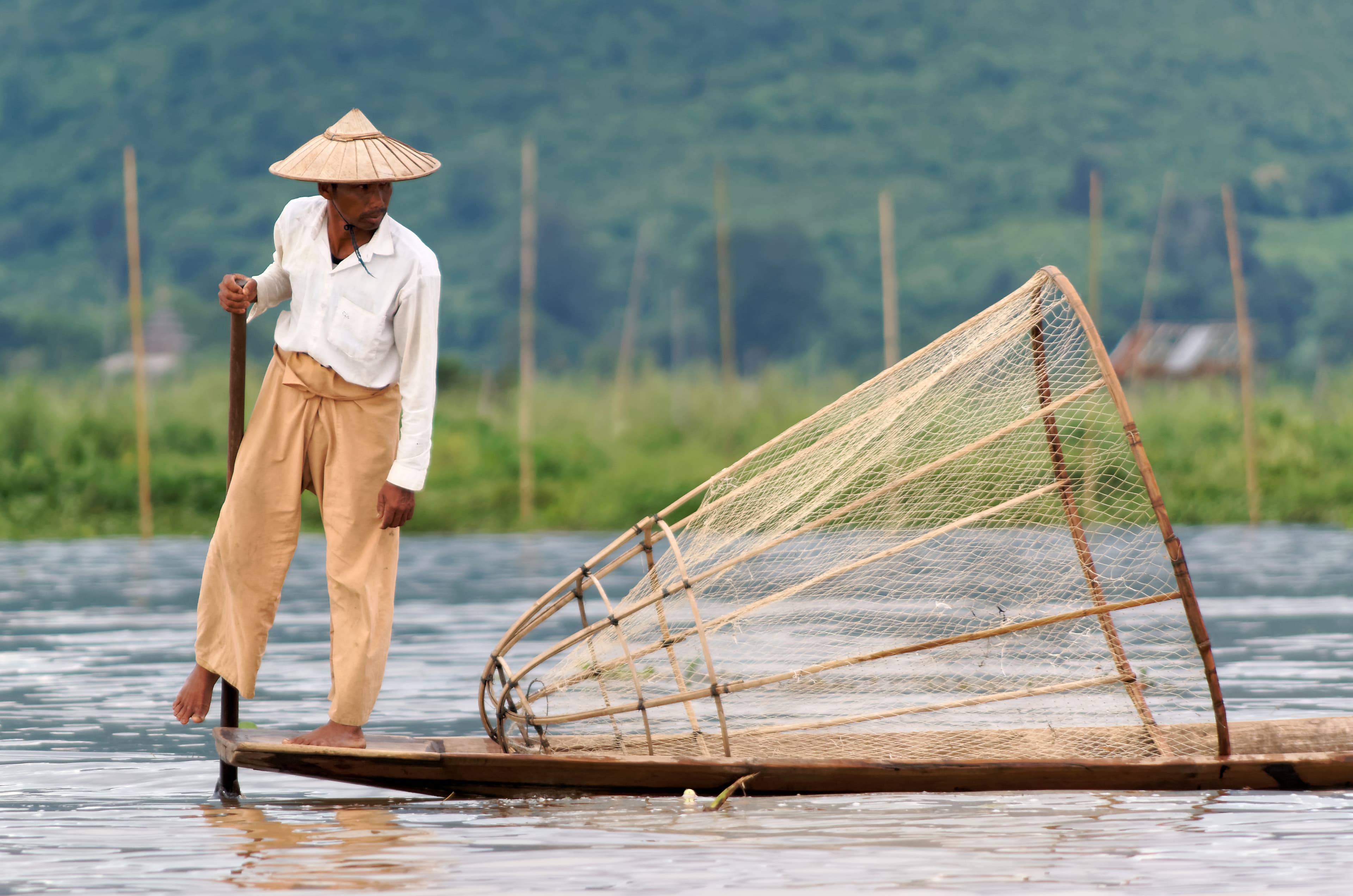
natureInle Lake
အင်းလေးကန်
A serene, freshwater lake set at 900m altitude in the Shan Hills. Inle Lake is famous for its leg-rowing fishermen, floating villages and gardens, stilted monasteries, and vibrant local markets. The Intha people who live here have cultivated a unique way of life on the water for centuries.
Mon State
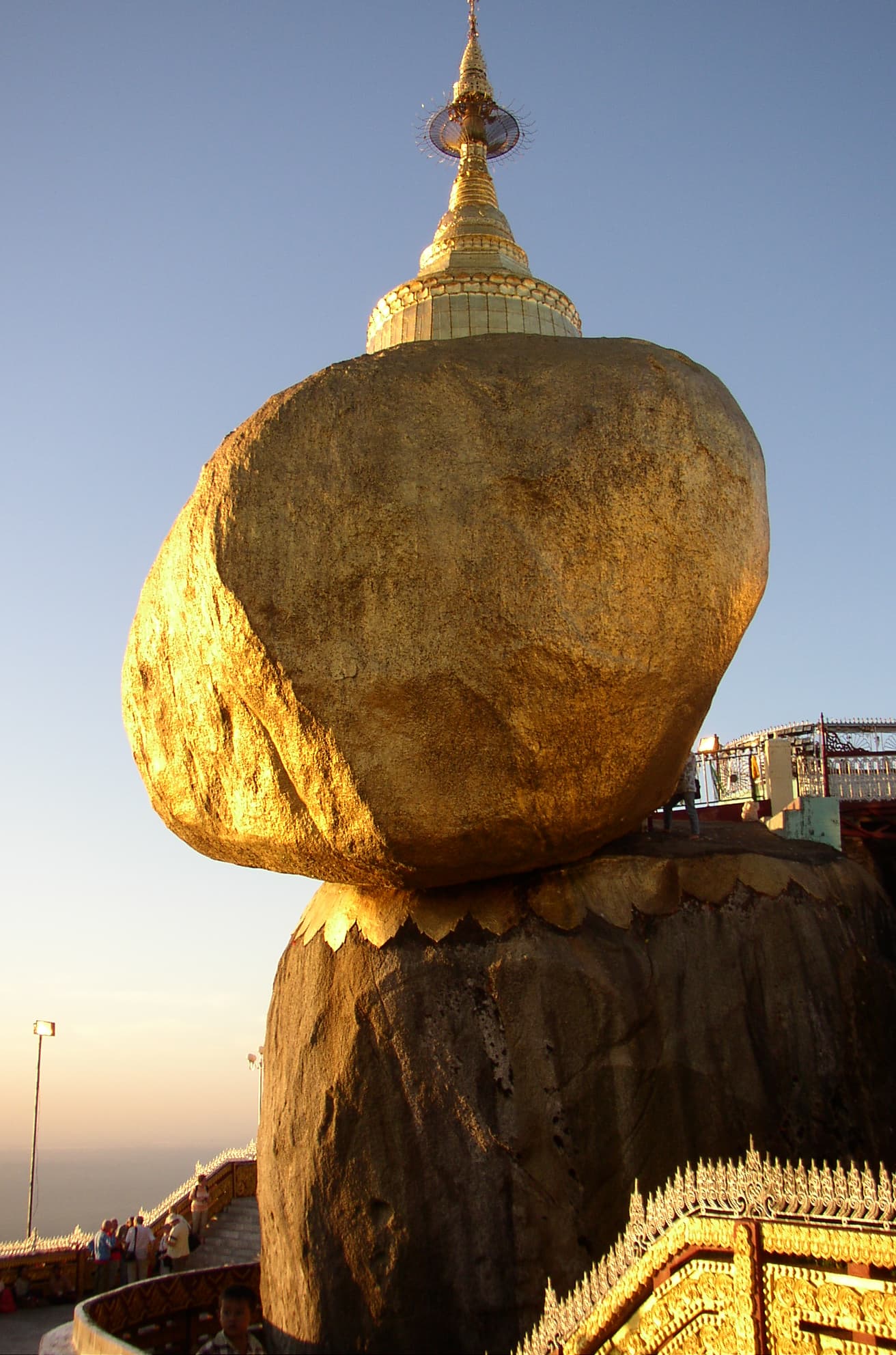
templesKyaikhtiyo (Golden Rock)
ကျိုက်ထီးရိုး
A massive gilt boulder perched improbably on the edge of a cliff, topped with a small pagoda. It is one of the most important Buddhist pilgrimage sites in Myanmar. According to legend, the boulder is balanced on a single strand of the Buddha's hair. The golden boulder glows magnificently at sunrise and sunset.
Mandalay Region
culturalMandalay
မန္တလေး
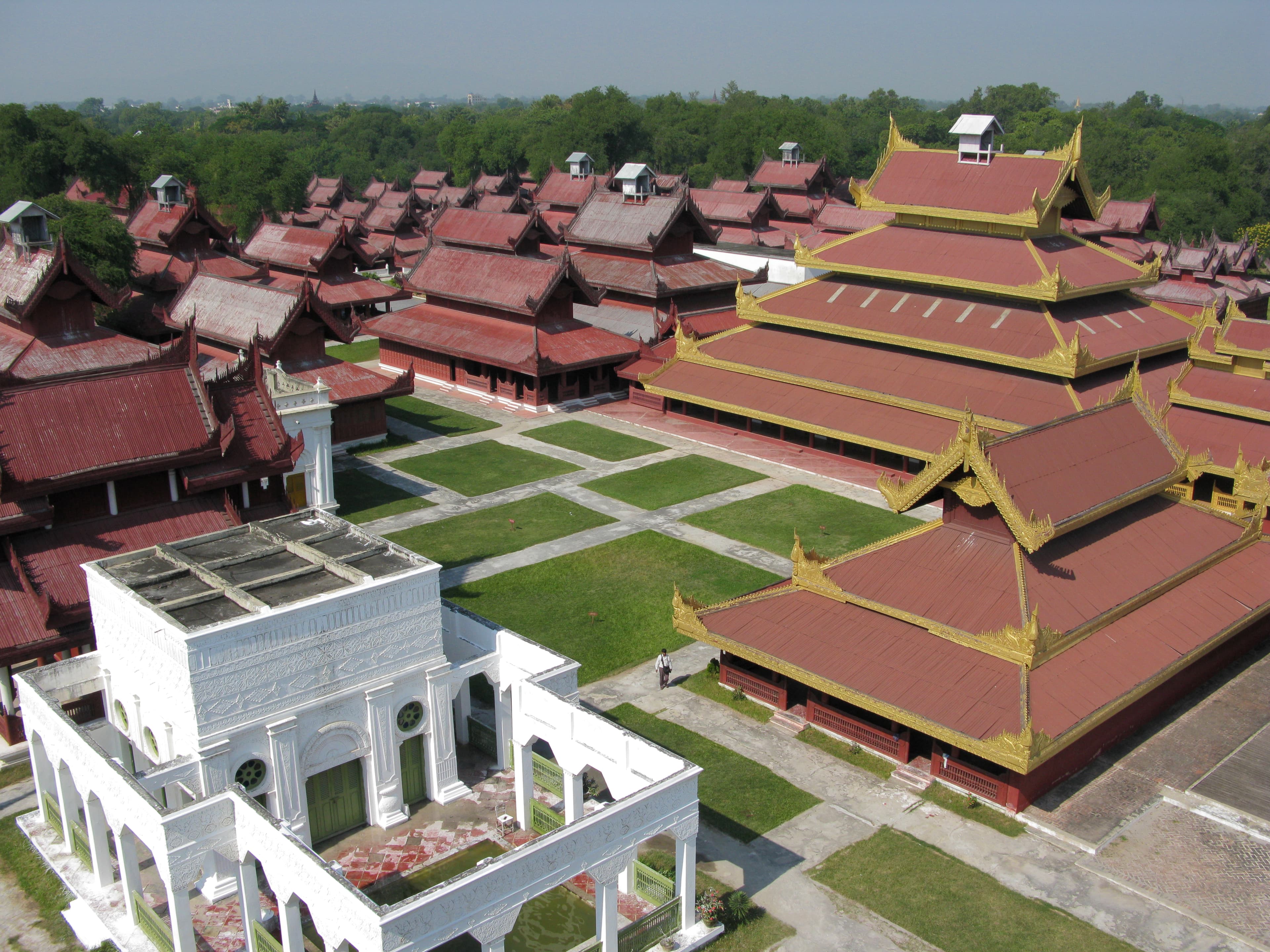
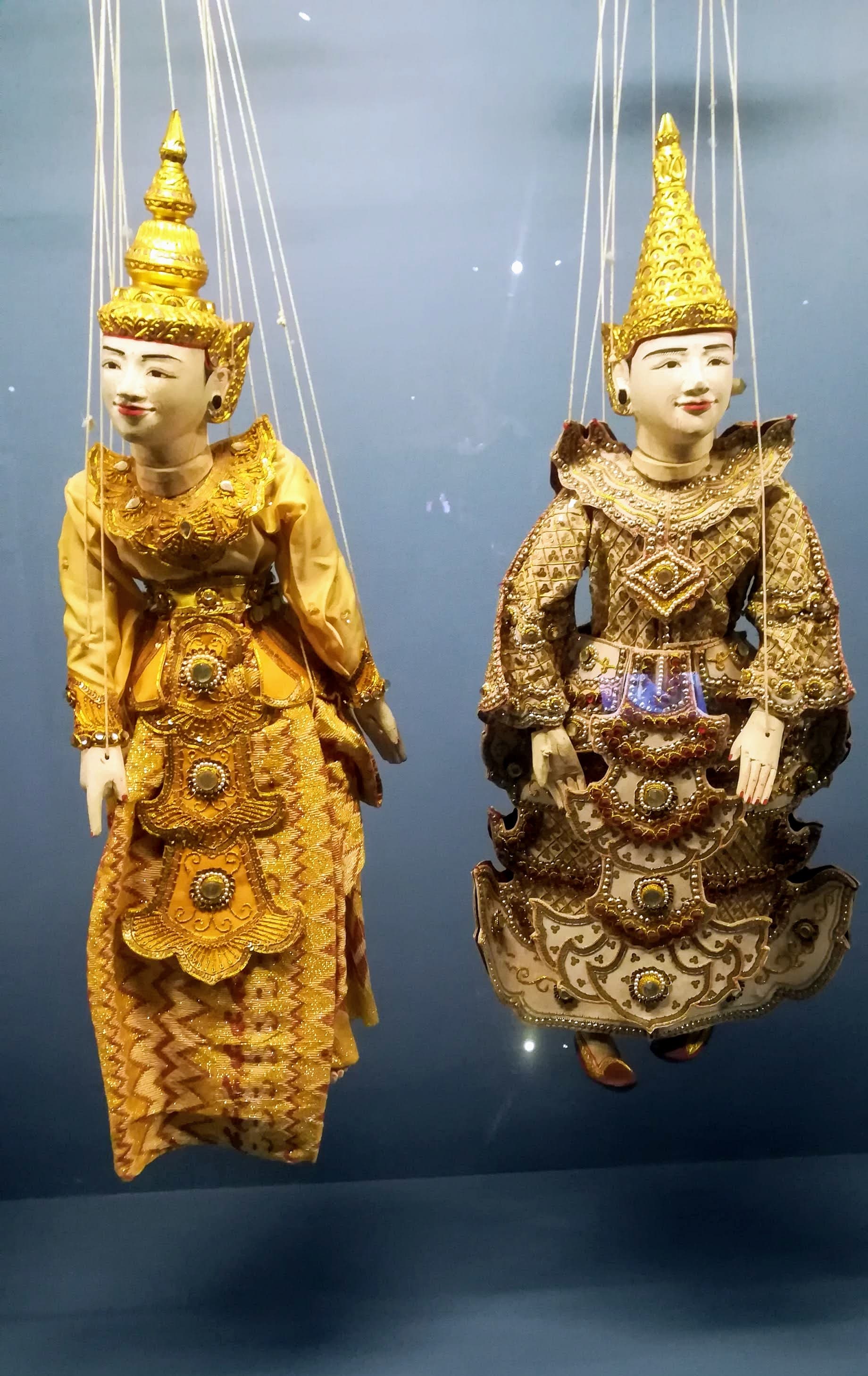
Myanmar's second-largest city and the last royal capital of the Konbaung Dynasty is a living center of Burmese culture, craftsmanship, and Buddhist learning. Gold leaf beating, jade carving, weaving, and puppet-making are still practiced here. The Mandalay Palace complex and U Bein Bridge are iconic sights.
Rakhine State
heritageMrauk-U
မြောက်ဦး
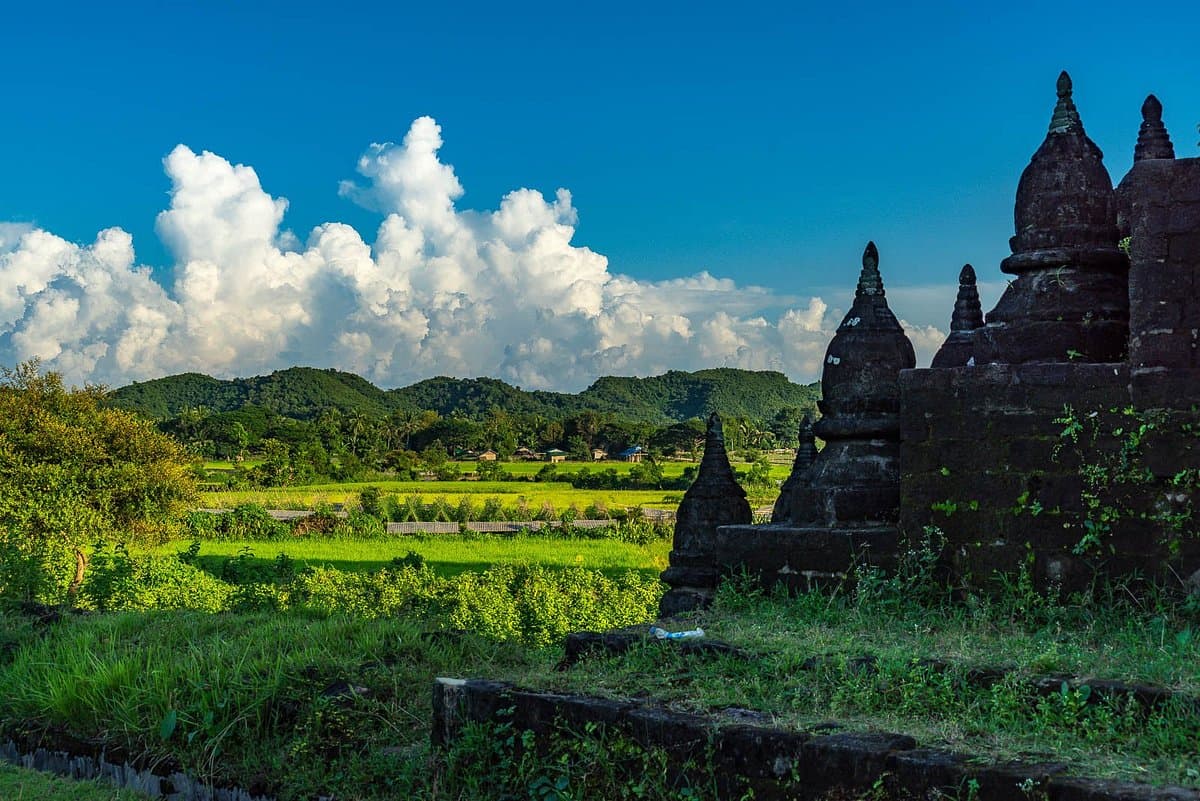
An ancient city hidden in the hills of Rakhine State, Mrauk-U was once the capital of the powerful Arakan Kingdom (15th–18th centuries) and a major trading port visited by Portuguese, Dutch, and Indian merchants. Today it is scattered with hundreds of stone temples and stupas slowly being reclaimed by jungle.
Yangon Region
culturalNational Museum of Myanmar (Yangon)
အမျိုးသားပြတိုက် (ရန်ကုန်)
The country’s primary museum of heritage, art, and history. Spread across five floors, it houses an extensive collection ranging from prehistoric artifacts to royal regalia. Its most famous exhibit is the magnificent Lion Throne (Sihasana), which belonged to the last Burmese monarch, King Thibaw.
Rakhine State
beachNgapali Beach
ငပလီကမ်းခြေ
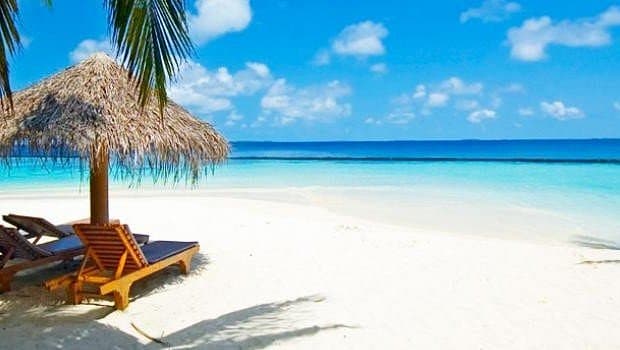
Myanmar's most famous beach resort: 7km of pristine white sand, crystal clear turquoise water, and swaying palm trees, largely free of the crowds found at similar beaches in Thailand. Fishing villages dot the coastline, where you can watch colorful boats come in each morning with fresh catch.
Yangon Region
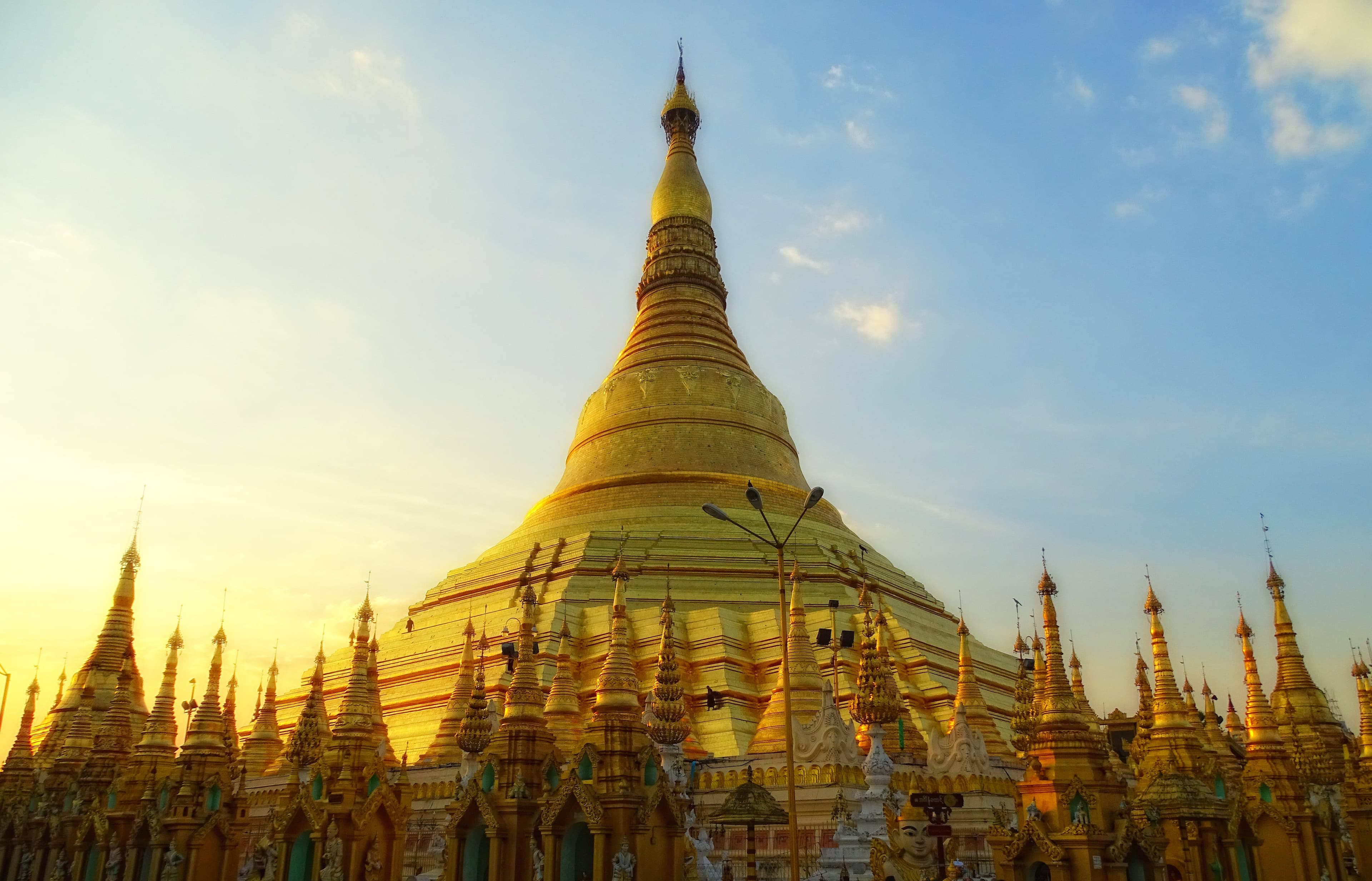
landmarkShwedagon Pagoda
ရွှေတိဂုံဘုရား
Dominating the Yangon skyline, Shwedagon Pagoda is the most sacred Buddhist stupa in Myanmar. Believed to contain relics of the four previous Buddhas, the 99-meter-tall main stupa is plated with solid gold bars and tipped with a diamond-encrusted vane that sparkles in the sun.
Yangon Region
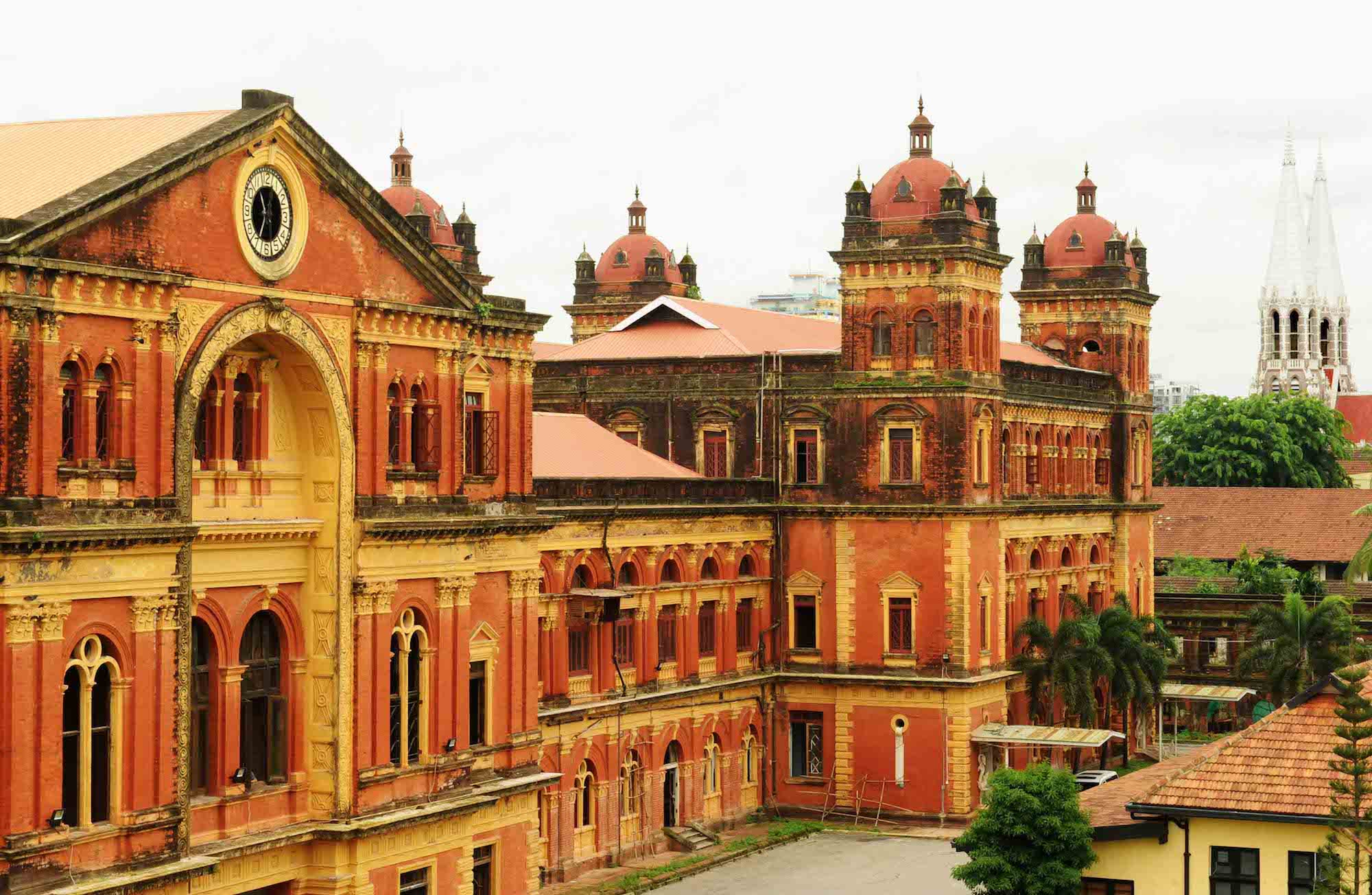
landmarkThe Secretariat Yangon
ဝန်ကြီးများရုံး
A massive Victorian-style red-brick complex that served as the administrative seat of British Burma. Occupying an entire city block, it is one of the most historically significant buildings in Myanmar. It is most famously known as the site where General Aung San and his cabinet members were assassinated on July 19, 1947.